
Liz Allison
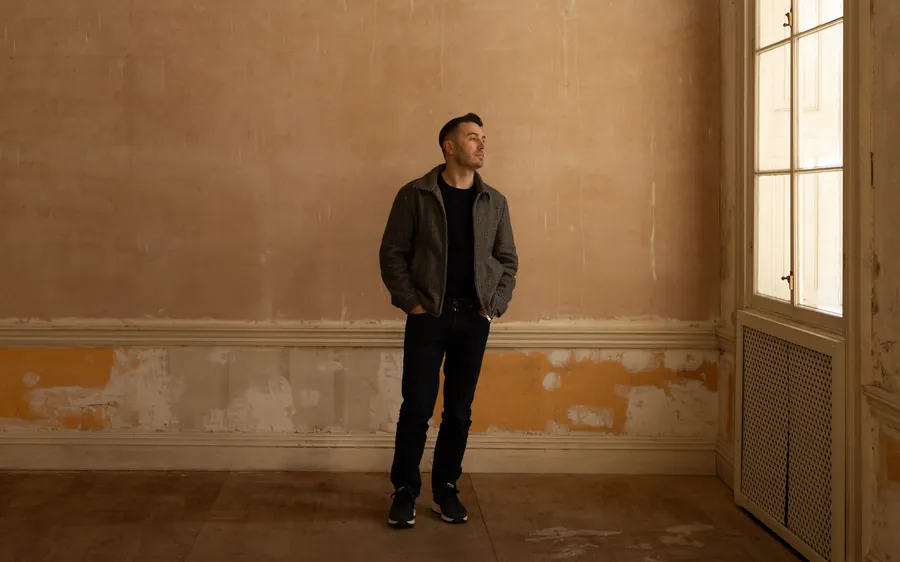
Liz Allison is an American artist, specialising in hand-painted murals, bespoke ceramics, and canvas commissions that bring storybook charm into your space.

Hand‑painted murals, bespoke ceramics, and canvas commissions that bring storybook charm, nature’s calm, and soulful beauty into your space.
Hand‑painted murals, bespoke ceramics, and canvas commissions that bring storybook charm, nature’s calm, and soulful beauty into your space.
Hand-painted murals, bespoke ceramics, and canvas commissions that bring storybook charm, nature’s calm, and soulful beauty into your space.
Your work often feels narrative, almost like a story unfolding across the wall. Do you begin with a clear concept, or does the story evolve as you paint?
I always have a preliminary sketch in mind but when I arrive on site for a mural I’m inspired by the nature surrounding me and the interior design and architectural details of the spaces.

Your work feels both playful and refined. How do you strike that balance without tipping too far in either direction?
It’s a tough balance! I guess the best answer would be that I follow my artist’s intuition.
What are you currently inspired by, or excited to explore next?
I’m based in the Southeastern United States and love any opportunity to see new places! I’m headed to Mallorca, Spain for a mural in the near future and I’m always thrilled to travel to new places and gather inspiration from the cities and cultures I encounter.

The Old Vicarage
How did you approach creating something that would sit so naturally within a historic building while still feeling fresh?
There’s an art to restraint and not making a composition look overly busy, but still having interesting content. I also think that using muted, earthy colors helps lend any piece an antiqued or patinated feel.
When you first saw the house, what struck you most about it? Was there an immediate idea or feeling that guided your designs?
The stonework, garden, and surrounding landscape were immediately inspiring. It was lambing season and spring, so the earth was bursting with new life and it gave me a desire to portray that. I walked the property and was inspired by the lake, Canadian geese, and sheep.

How did you approach creating something that would sit so naturally within a historic building while still feeling fresh?
There’s an art to restraint and not making a composition look overly busy, but still having interesting content. I also think that using muted, earthy colors helps lend any piece an antiqued or patinated feel.
When you first saw the house, what struck you most about it? Was there an immediate idea or feeling that guided your designs?
The stonework, garden, and surrounding landscape were immediately inspiring. It was lambing season and spring, so the earth was bursting with new life and it gave me a desire to portray that. I walked the property and was inspired by the lake, Canadian geese, and sheep.

Process, Collaboration & Commissioning
How closely do you like to collaborate with interior designers and clients? In this project, how did that dialogue shape the final outcome?
It’s a delicate balance between collaborating and having artistic freedom to create. What I appreciate is a color palette and schematic ideas, especially knowing what symbolic images mean something to my clients. For example, if a bird represents a family member, or maybe a certain flower is sentimental to them, I like to incorporate those details in my paintings.
In a bespoke residential project, every detail is deeply personal. How do you translate a client’s emotional sensibility, lifestyle, and the atmosphere of a space into a mural that feels uniquely tied to that interior?
Color palette matters a lot in terms of making sure a mural communicates with the design in the rest of a home and doesn’t stand out in a way that’s distracting. Beyond that, seeing what else clients have in their homes helps me get a feel for what they enjoy and value and that has a tendency to make its way into my murals.
Could you talk us through the practical side of commissioning a mural? From the earliest conversations to installation, what does the collaborative process between artist, designer, and client typically look like?
While it differs every time, typically the conversation begins via an inquiry on my website which helps determine if the timing and location will work with my schedule, as I book out about a year to 18 months in advance. I have a project minimum to make sure my work stays bespoke and focused on individuality and quality for each mural I complete. Then I have a consultation call with either a designer or the homeowner where we discuss inspiration images, and the entire interior design feel. Every project is different but the one commonality is that they’ve chosen my work for its old world, lived-in, whimsical feel.

Can you talk us through your process, from first sketch to final brushstroke? What does a typical project look like for you?
A preliminary sketch is always very loose, just to put together the composition and color scheme. I work out proportions on site once I see the scale in real life.
Bespoke mural commissions often involve a significant level of trust between artist and client. How do you balance this with your creative vision?
It’s very important to have a designer’s trust. There must be mutual respect and open dialogue throughout the process. I especially love it when a client can give me distinct feedback once or twice during the painting process and then leave the rest up to creative interpretation. Since each project is so grand and personal, I never forget a single one. The murals themselves, but also the clients and homeowners, are embedded in my memory.

Atmosphere, Emotion & Living with Art
There’s a beautiful sense of movement in your murals. Is that something you consciously build, or does it emerge instinctively?
My style of painting is similar to watercolor. I water down the pigments and then build the paintings in layers to eliminate harsh lines. Because the paint is diluted it feels organic and free-flowing. Many people hear the word “mural” and think of graffiti, blocks of color, or bright imagery. My work leans more towards the traditional fine arts.
Your murals often create a strong sense of atmosphere and escapism. Are there particular textures, colours, or visual rhythms you consciously use to evoke an emotional response within a space?
I’m best known for my trees and I appreciate studying the local flora and fauna and then incorporating that into my work. I’ve learned how to create movement in branches and leaves through varying sponges and bristled brushes, and I think that’s where my iconic style comes from. French trees are very different from the Spanish moss common in the southeastern United States so learning how to make the branches and leaves distinct is one of my favorite parts of painting.
Your work has an almost immersive quality: layered, atmospheric, and deeply sensory. What do you hope people feel when they live alongside one of your murals every day?
I hope that people experience peace when living alongside my work. In 2020 during the peak of Covid I painted a small series called “Places of Peace” which allowed the viewer to escape to places that brought them serenity. Now, years later, I hope that my murals continue to bring peace. The grand scale of murals can allow people to be immersed in nature’s calm and comfort.

There’s a beautiful sense of movement in your murals. Is that something you consciously build, or does it emerge instinctively?
My style of painting is similar to watercolor. I water down the pigments and then build the paintings in layers to eliminate harsh lines. Because the paint is diluted it feels organic and free-flowing. Many people hear the word “mural” and think of graffiti, blocks of color, or bright imagery. My work leans more towards the traditional fine arts.
Your murals often create a strong sense of atmosphere and escapism. Are there particular textures, colours, or visual rhythms you consciously use to evoke an emotional response within a space?
I’m best known for my trees and I appreciate studying the local flora and fauna and then incorporating that into my work. I’ve learned how to create movement in branches and leaves through varying sponges and bristled brushes, and I think that’s where my iconic style comes from. French trees are very different from the Spanish moss common in the southeastern United States so learning how to make the branches and leaves distinct is one of my favorite parts of painting.

Craft, Challenges & Artistic Evolution
Were there any challenges with this project that pushed you creatively?
I did three murals in the home so they each needed to be distinct yet harmonious with one another.
Did this particular project challenge or evolve your practice in any unexpected ways?
Working in the English countryside was one of the most beautiful settings I’ve ever worked in. The inspiration was plentiful and I’ve carried it forward with me into my work. My work is distinctively European-inspired and this project helped hone that aesthetic.
Do you have a favourite moment or detail within the murals at The Old Vicarage? Something viewers might not immediately notice?
In the sitting room there are two Canadian geese near the fireplace. They represent the two owners of the vicarage. In the kitchen, I wanted the mural to feel quintessentially Cotswolds, so included the area’s iconic stone walls.
Looking back on the completed project, is there a particular detail or section of the mural that feels especially meaningful to you?
In the bedroom there’s a winding pathway above the bed reminding the residents that life is a journey. That message really resonates with me.

Murals Within Contemporary Interiors
Murals can completely transform a space. What do you think they offer that other forms of art don’t?
The scale alone is what makes a mural stand out from a painting on canvas and makes it feel truly immersive. It definitely adds a wow factor to a room and when thoughtfully integrated into the architecture, it seamlessly blends the history of a home with the story of its current owners.
In your view, what makes a mural timeless rather than trend‑led?
Painting directly on surfaces is a very traditional art form and is not trendy but has been around since prehistoric cave paintings. You can find them in homes, places of worship, government buildings, and on exterior walls. My style in particular isn’t modern and lends itself to a lived-in, old world feel.

There’s a growing appreciation for decorative arts and hand‑painted finishes within interiors. Why do you think murals are resonating so strongly with clients and designers right now?
I think in the age of technology, AI, fast fashion, and mass production people with exquisite taste are craving something human-made and personal. I think one of the reasons my Instagram page has taken off is because of the time lapses. People can watch a painting come to life with a human touch. The before and afters are always impactful. It’s not artificial intelligence creating something.
What role do you think mural work can play in contemporary luxury interiors today?
I think muralsart can take modern interiors or new structures and give them a lived-in feel. There are also modern approaches to an ancient practice. For example, fast-drying paints and pigments, new tools, and social media to share the work in the end so many people can experience it, not just those who go into the room.

Credits
Photography by Ben Anders
Photography by Social Natives
Thinking about a project of your own?
Book a Consultation